Critical user journeys
We review obstacles in registration, applications, payments and the product’s core tasks.
UX Audit
We examine where users struggle in your web or mobile product and turn findings into an improvement plan prioritised by impact and effort.
See the steps and interface barriers that make tasks difficult.
Assess improvements by their impact on users and implementation effort.
Turn findings into concrete actions your team can plan.

Small, unnoticed obstacles can make it harder for users to complete tasks and keep using a product.
A UX audit reveals where users struggle and clarifies the next steps to improve their experience.
We identify obstacles in critical journeys such as registration, applications and payments, then prioritise UX improvements that help users reach their goals and support better conversion rates.
Understanding users’ needs and points of friction helps us recommend clearer, easier-to-use experiences. Fewer barriers create a stronger foundation for user satisfaction and loyalty.
We examine barriers that can cause people to abandon a website or mobile app. By reviewing navigation, forms and feedback, we identify ways to help users complete their tasks.
A consistent, smooth user experience gives people a reason to return. A UX audit identifies barriers to repeat use and opportunities to strengthen customer loyalty.
We analyse user behaviour data and feedback alongside usability findings. Grounding recommendations in concrete evidence helps your team prioritise improvements and make data-informed product decisions.
A clear, intuitive experience that meets users’ expectations can help your product stand out. A UX audit identifies usability opportunities that support a more distinctive digital experience.
A UX audit systematically evaluates the user experience of an existing web or mobile product. We combine expert review with available behavioural data and user feedback to clarify improvement priorities.
We review obstacles in registration, applications, payments and the product’s core tasks.
We assess content structure, menus and how users find what they need.
We examine field labels, validation, error states and feedback after an action.
We review information priorities, visible actions and consistency across screens.
We relate available analytics, support records and user feedback to the findings.
Within the agreed scope, we review keyboard use, focus, readability and basic access barriers.
Usability testing, interviews, a comprehensive accessibility audit and competitor research are scoped separately when needed. An accessibility review does not provide certification or guarantee full compliance.
We prepare deliverables that bring findings, supporting evidence and next steps together within the agreed scope.
The screen where an issue appears, the affected task and the reasoning behind the assessment.
Obstacles in registration, applications, payments or the product’s core tasks.
Recommendations ordered by impact and implementation effort.
A shared review of the findings and clarification of next steps.
Illustrative example: error feedback in a payment form
At checkout, a small detail creates a frustrating roadblock: the error message appears away from the field that needs attention. The user has to hunt for what to fix before they can continue.
We agree on platforms, priority tasks, audit questions and expected deliverables with your team.
We review accessible analytics, support records and feedback, documenting gaps in the available evidence.
We use existing research to understand user needs and product context. New interviews and competitor research depend on additional scope.
We conduct an expert review of screens, documenting issues in navigation, forms, feedback and interface consistency.
We follow agreed tasks end to end, assessing transitions between steps and ways to recover from errors.
We share findings with their supporting evidence and agree an improvement sequence with your team based on impact and effort.
When users leave registration, applications or payments unfinished, we review the steps and usability barriers that make it harder to complete these tasks.
When the same problems recur in support requests, we assess unclear interface elements and the points where users struggle most.
When information and actions become harder to find as your product grows, we review user journeys and information architecture together.
When similar actions work differently across screens, we identify improvements that bring greater consistency to interface patterns and interactions.
When it is unclear where to start a redesign, we assess the existing experience and work with your team to decide which problems to address first.
Every digital product is different. We shape the process from research to launch, aligned with user and business goals.
Similar problems we've solved across fintech, SaaS, dashboards, e-commerce, and mobile allow us to start from knowledge — not from scratch.
We back every design decision with user behavior, existing data, and usability testing. Evidence replaces intuition.
By connecting the best solutions from different fields, we produce more creative and effective results.
We don't see digital product design as just screen layouts. We clarify business goals, user motivations, and critical flows to turn design into a system that solves real problems.
With a component-based design system, product language, consistency, and speed are maintained even as the team grows.
Having solved similar problems across different product types enables us to deliver solutions faster.
It doesn't end at launch. We maintain product quality through new features, onboarding optimizations, and reducing design debt.
These projects illustrate VOYA’s product design experience. See each case study for the role and scope of the project.
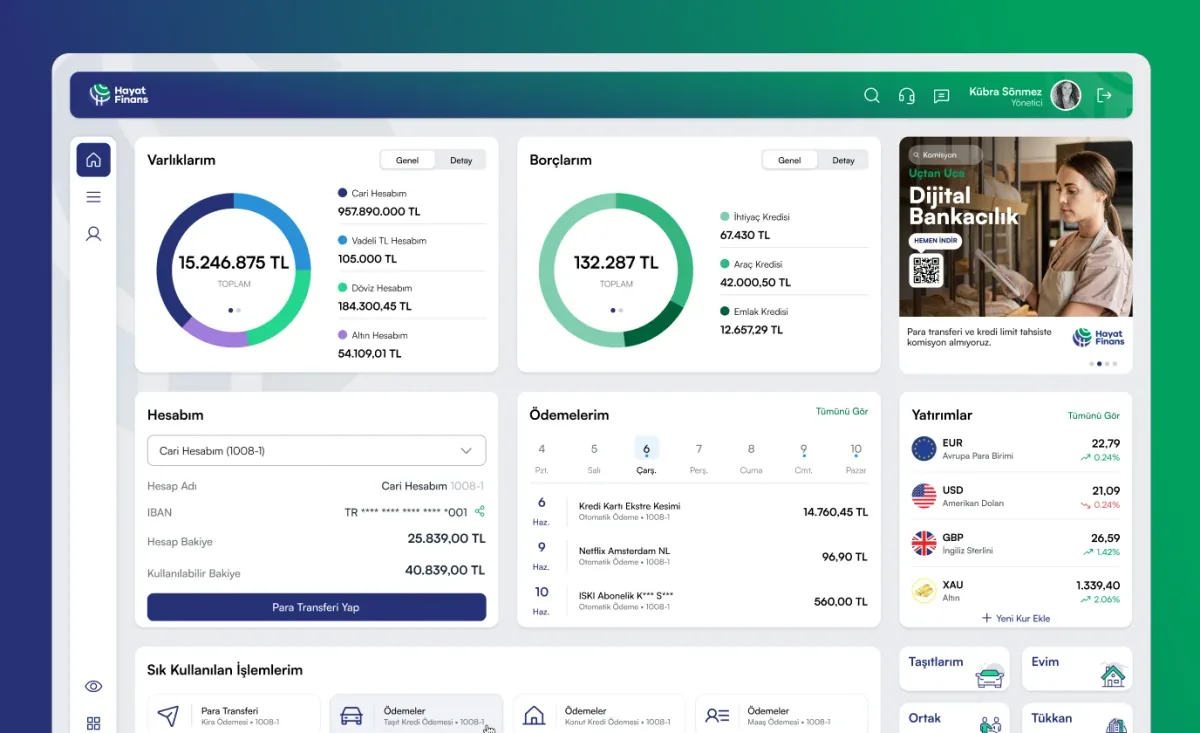
WEB APP / FINANCE
We worked on user journeys and UI/UX design for Hayat Finans’s digital banking platform.
View Case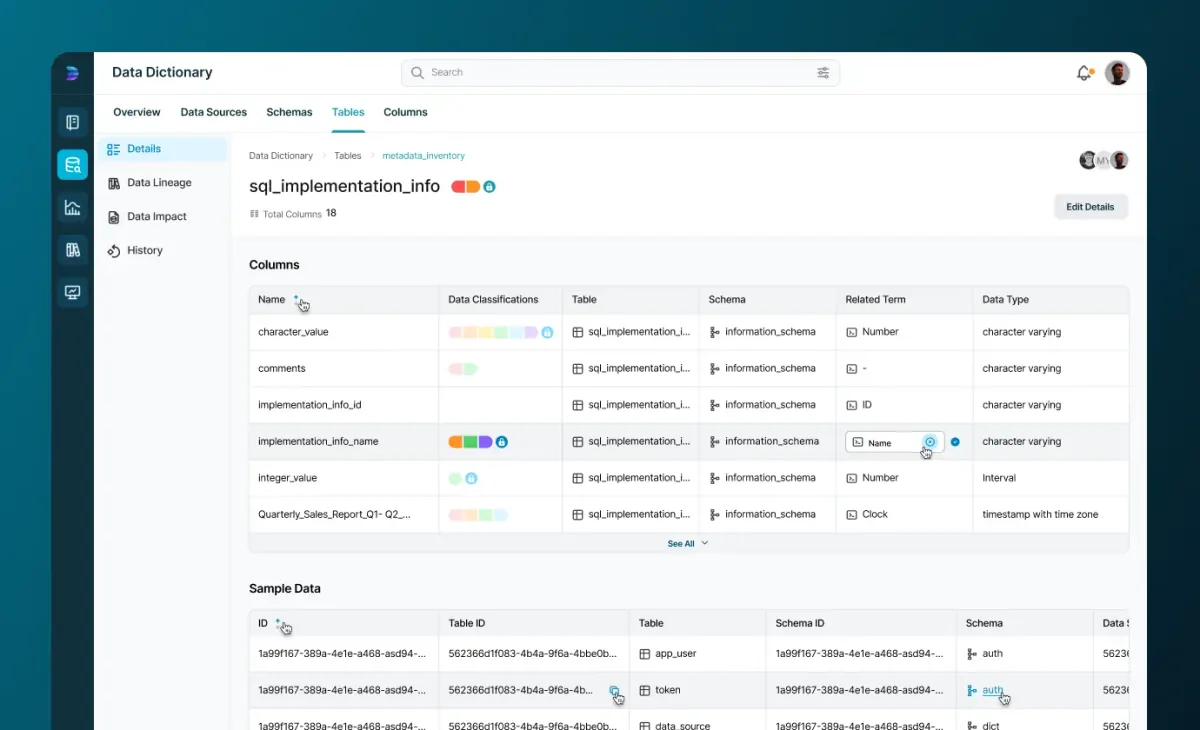
WEB APP / SAAS
From user research to prototypes, we designed data management interfaces and user journeys for Datarul.
View Case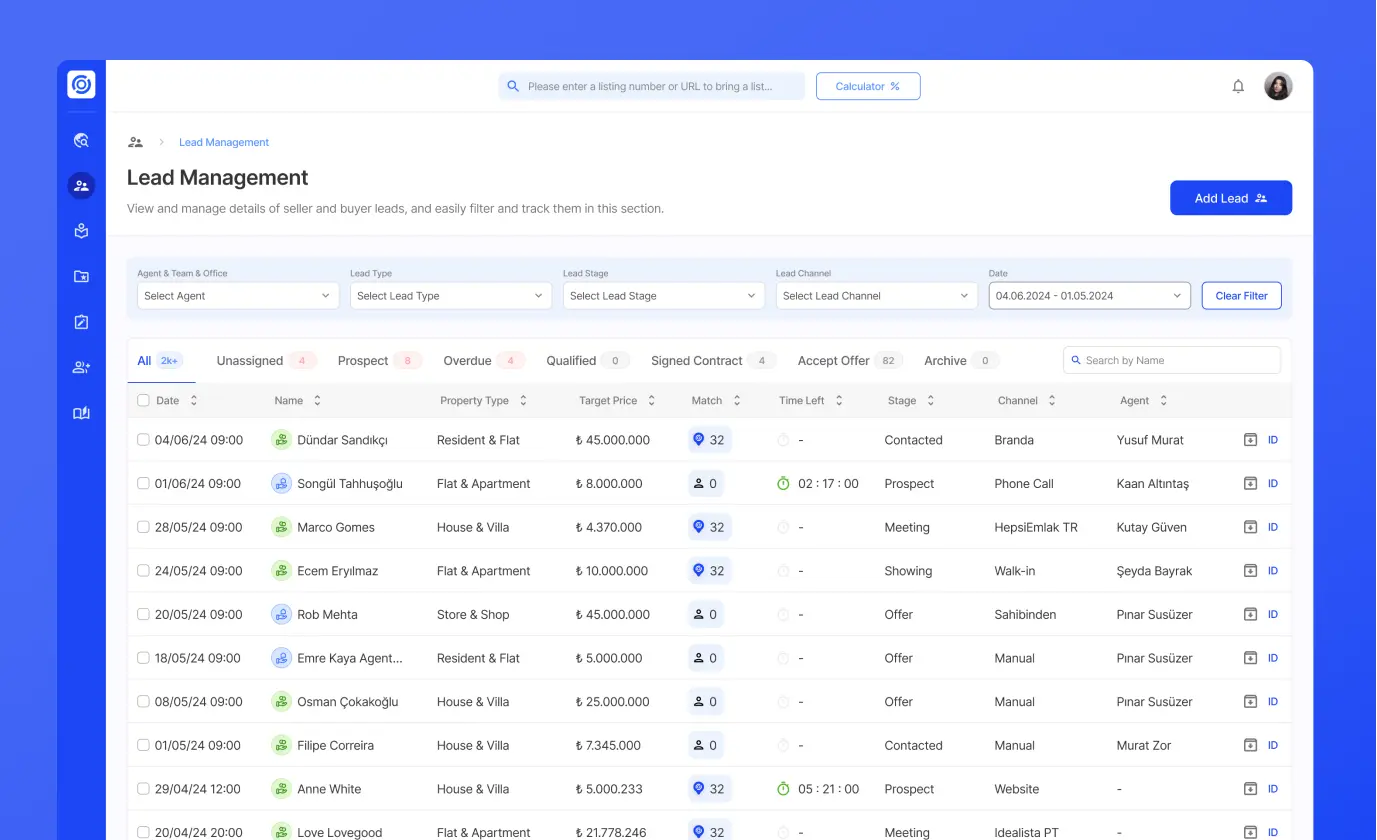
WEB & MOBILE APP / SAAS
We worked on user experience and interface redesign for Fizbot’s platform for property professionals.
View Case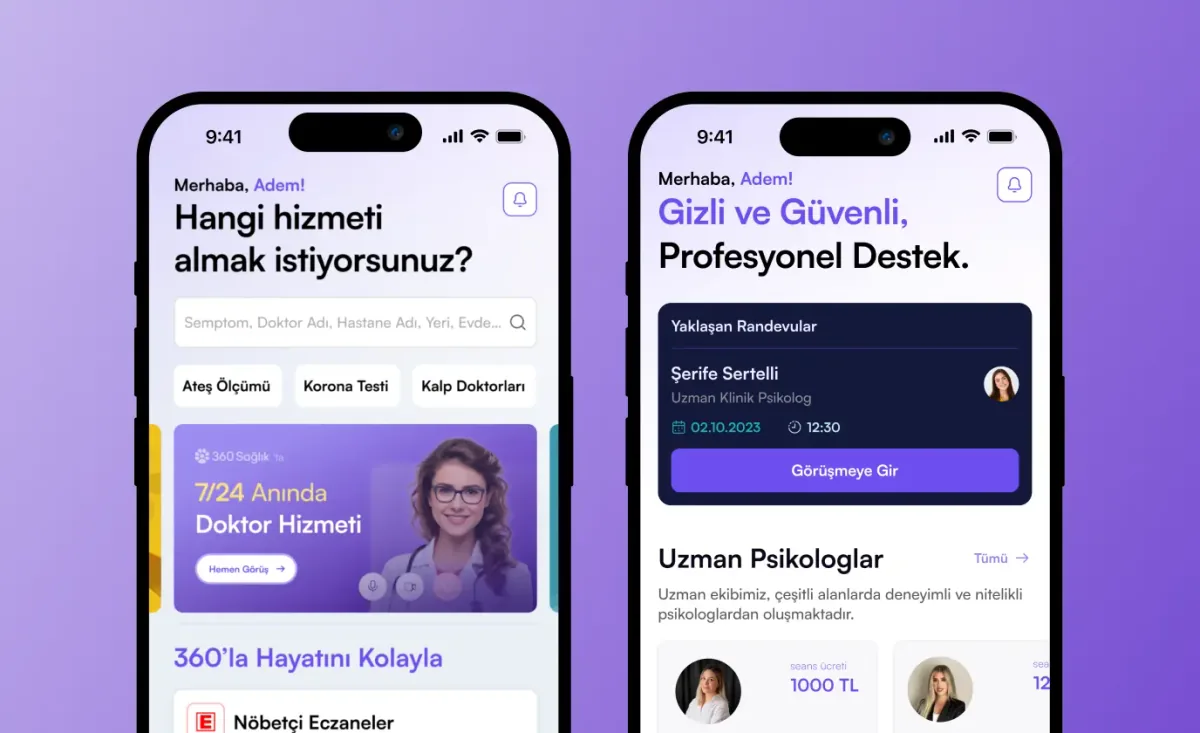
WEB - MOBILE & APP / HEALTH
For 360 Sağlık, we worked on access to healthcare through user research, UI/UX design and prototype testing.
View CaseA UX audit systematically evaluates the user experience of an existing web or mobile product. Expert review, available behavioural data and user feedback help clarify improvement priorities.
Consider an audit when critical tasks are abandoned, similar support issues recur, journeys become complex or priorities are unclear before a redesign.
We review available analytics, user feedback, support records and existing research alongside an expert assessment of the interface and critical tasks.
Within the agreed scope, we prepare findings and evidence, a critical journey assessment and a prioritised improvement list. We review the findings and next steps with your team. UI revisions and prototypes are additional scope.
A UX audit is the overall service, combining expert review with available evidence. Usability testing observes real users completing tasks and can be scoped separately when needed.
Timing depends on the platforms, number of journeys, data access and additional research scope. The schedule is agreed once scope and expected deliverables are clear.
Yes. Expert review can assess existing screens and tasks. Behavioural conclusions remain limited by the available evidence; additional data collection or usability testing is considered separately.
We assess platforms, critical tasks, number of journeys, available data and expected deliverables together. Interviews, usability testing, competitor research and a comprehensive accessibility audit are scoped separately before the proposal is finalised.
The audit clarifies findings, priorities and next steps. Redesign, UI revisions, prototypes and design implementation support for your development team are scoped separately. Software development is not a standard audit deliverable.
Let’s discuss where users struggle, what data is available and what you expect from the audit. Together, we can clarify the right scope for your product.