What Is a UX Designer? The Architect of User Experience

- Why Everyone Is Talking About UX Designers
- What Does “UX Designer” Mean?
- What Does a UX Designer Do?
- 1. User Research
- 2. User Flows & Information Architecture
- 3. Wireframes & Prototypes
- 4. Testing & Iteration
- Where UX Designers Make the Difference
- The Essential Skills of a UX Designer
- 1. Research & Analysis
- 2. Empathy
- 3. Critical Thinking
- 4. Tool Mastery
- 5. Communication
- The Difference Between UX and UI Designers
- Why UX Designers Matter
- How to Become a UX Designer
- Education
- Bootcamps & Certificates
- Career Path
- The Future of UX Design
- The Power of Experience
Why Everyone Is Talking About UX Designers
Over the past few years, “UX Designer” has become one of the most in-demand roles in the digital world. You’ll find it in LinkedIn job listings, startup founding teams, and digital transformation departments of global banks. But why?
Because the success of digital products today no longer depends solely on technology or visual appeal. It’s about experience—the relationship between a product and the person using it.
An app might be lightning-fast but lose users due to confusing navigation. A website might look stunning but fail to convert because the checkout process is complicated. This is where the question “What is a UX designer?” becomes essential.
A UX Designer (User Experience Designer) is the person who designs meaningful, intuitive, and enjoyable experiences between humans and digital products. They don’t just design screens—they design journeys.
In this guide, we’ll explore who a UX designer is, what they do, what skills they need, how they differ from UI designers, and why they’re critical to modern digital products.
What Does “UX Designer” Mean?
The term “User Experience (UX)” was first coined by Donald Norman in the 1990s while working at Apple. He argued that good products should be not only functional but also pleasant to use.
A UX Designer, in essence, designs every interaction point between a user and a product. It’s not just about visuals, it’s about how a person feels and behaves while using that product.
A UX designer ensures the journey is smooth, clear, and rewarding, from the first click to the final conversion. In other words, they are architects of usability and human-centered design.
What Does a UX Designer Do?
A UX designer’s job is multifaceted, bridging the gap between users, business goals, and technology.
1. User Research
Everything starts with understanding people. UX designers study user behaviors, goals, and frustrations through:
- Surveys and interviews
- Observation and usability testing
- Data analysis and user personas
Without research, design decisions become assumptions.
2. User Flows & Information Architecture
What happens after a user opens an app? Which steps lead them from A to B? UX designers create user flows and information hierarchies that make navigation intuitive.
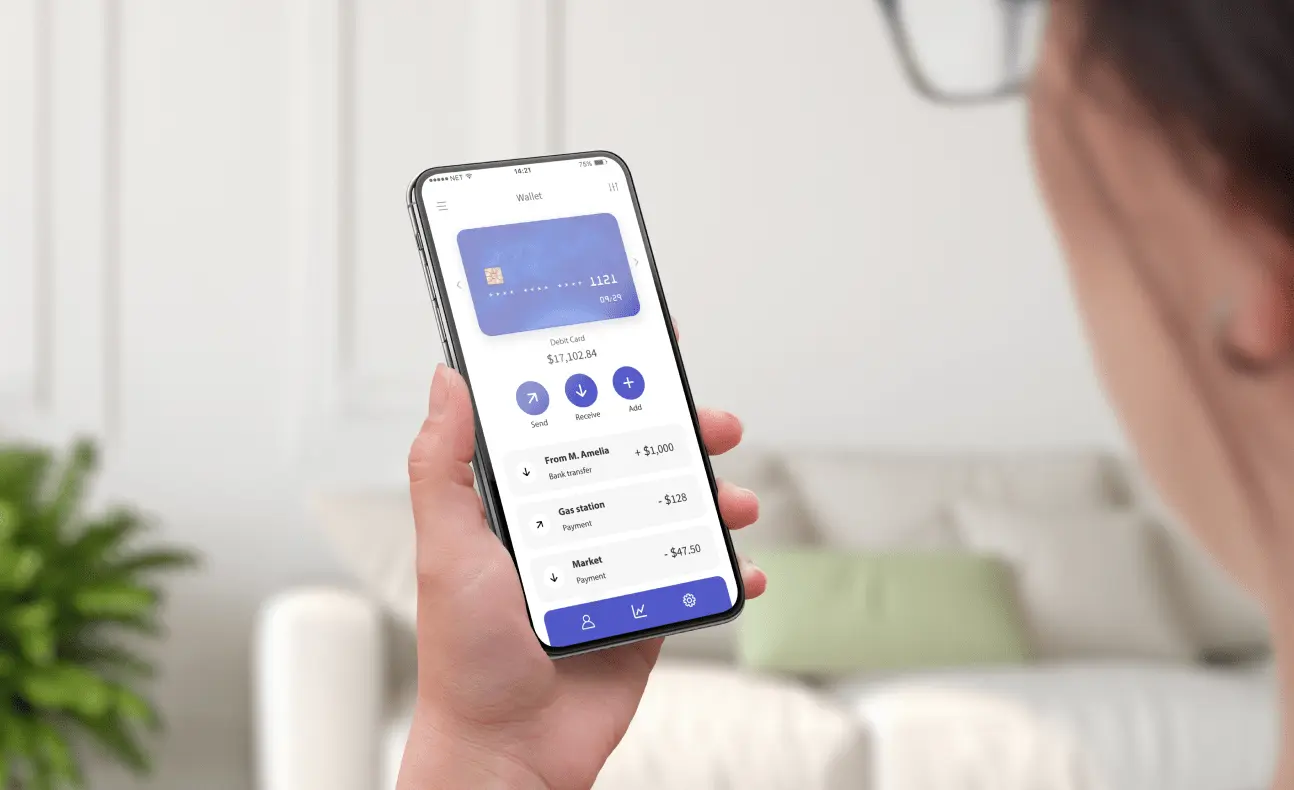
Example: In a fintech app’s money transfer flow—login → select account → enter recipient → confirm transaction, each step must feel natural and predictable.
3. Wireframes & Prototypes
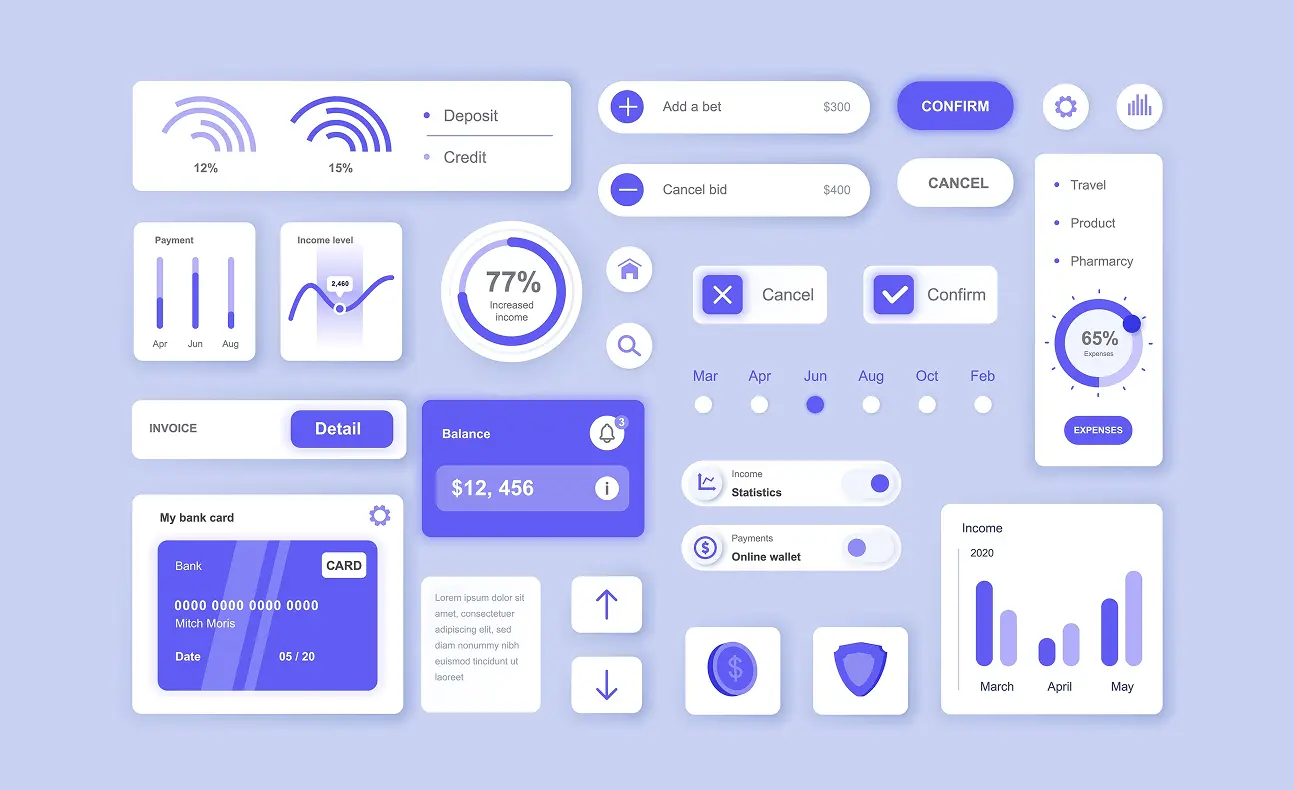
Ideas are visualized through wireframes (low-fidelity sketches) and interactive prototypes. This helps stakeholders see and test the product before any code is written.
4. Testing & Iteration
UX design is never finished. Designers test, collect feedback, and continuously refine the experience. Every iteration brings the product closer to what users truly need.
Where UX Designers Make the Difference
UX design applies to every type of digital experience:
- Mobile apps — banking, e-commerce, lifestyle, or gaming
- Websites — accessible and conversion-driven
- SaaS platforms — simplifying complex dashboards
- Fintech solutions — balancing security, trust, and simplicity
In fintech especially, where trust and clarity are vital, UX design determines whether users feel confident using your product. At VOYA, we’ve specialized in fintech and SaaS experiences because these sectors demand both precision and empathy.
The Essential Skills of a UX Designer
1. Research & Analysis
Collecting and interpreting user insights to inform design decisions.
2. Empathy
Understanding real user pain points and designing around human needs, not assumptions.
3. Critical Thinking
Translating business challenges into logical, user-friendly solutions.
4. Tool Mastery
Proficiency in Figma, Sketch, Adobe XD, and collaboration tools like Miro or FigJam.
5. Communication
UX designers collaborate with developers, UI designers, product managers, and business stakeholders. Clarity and teamwork are essential.
The Difference Between UX and UI Designers
This is the most common confusion in the design world.
- UX Designers craft the experience—the flow, structure, and logic behind a product.
- UI Designers craft the visual interface—colors, typography, buttons, and layouts.
Think of it this way:
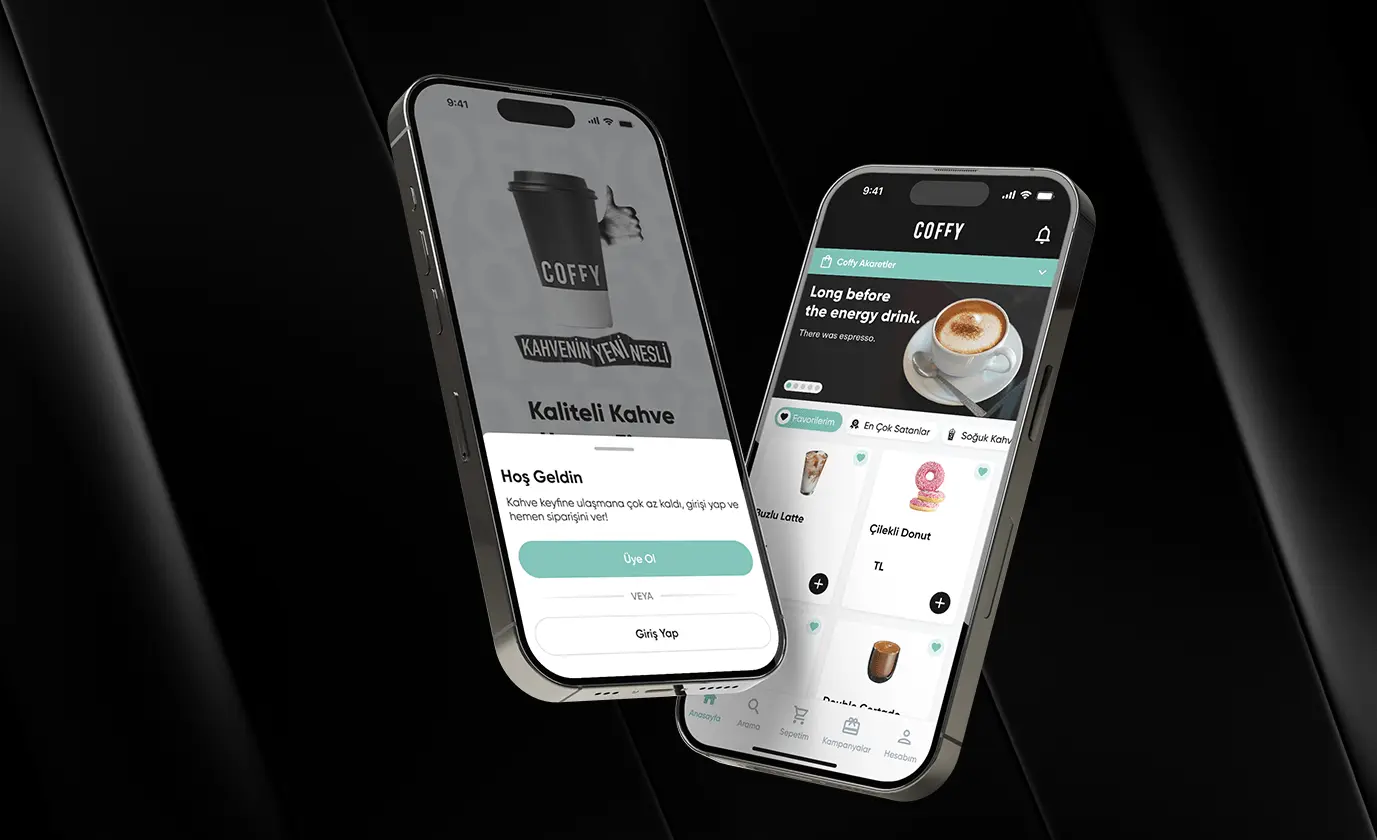
UX designs how you order your coffee; UI decides what the button looks like when you do.
When both work together, you get a product that’s not only functional but delightful.
Why UX Designers Matter
Great UX design is not a luxury—it’s a growth driver.
- Higher user satisfaction: people enjoy using the product.
- Reduced support costs: intuitive products require fewer help requests.
- Improved conversion rates: fewer drop-offs and more engagement.
- Stronger brand trust: good experiences make brands feel reliable and premium.
For fintech and SaaS products, these improvements directly translate into retention and revenue growth.
How to Become a UX Designer
If you’re curious about this career, here’s your roadmap:
Education
Degrees in design, psychology, human-computer interaction, or even business can help.
Bootcamps & Certificates
Intensive programs such as Google UX Certificate, Nielsen Norman courses, or local UX bootcamps can kickstart your journey.
Career Path
- Junior UX Designer: learns tools and processes.
- Mid-Level UX Designer: owns specific project areas.
- Senior UX Designer: leads strategy and user research.
- Lead UX Designer: mentors teams and shapes product direction.
In Turkey and globally, the demand for UX professionals is rising fast, especially in fintech and SaaS sectors where user trust defines success. Remote opportunities are also abundant worldwide.
The Future of UX Design
UX design is becoming even more interdisciplinary—merging behavioral science, AI, and data analytics. Designers are now expected to understand not just how things look, but why people behave the way they do.
As technology evolves, so will the role of UX designers. They’ll continue to bridge human emotion with digital precision.
The Power of Experience
The future of digital products doesn’t belong to those with the most advanced code—it belongs to those that make people feel understood.
That’s why UX designers are no longer “nice-to-have” team members; they’re essential architects of business success.
At VOYA, we focus solely on UX and Product Design. By specializing in fintech and SaaS experiences, we help companies create user journeys that are intuitive, secure, and impactful.
If you’re looking to elevate your product with a human-centered approach, let’s connect.
Because great UX doesn’t just improve your product—it transforms your entire business.


Explore All Blogs











Ready to talk
about your project?
Do you have a clear vision regarding the ideas, goals, requirements, and desired outcomes for your project? Let's take the first step together by setting up a meeting to bring all of these to life.