UX Agency vs UX Studio: Where Does the Real Difference Begin in Digital Products?


- UX Agency vs UX Studio: Where Does the Real Difference Begin in Digital Products?
- What Is a UX Agency?
- What Is a UX Studio?
- Project-Based Execution vs Product Partnership
- Metrics: Delivery vs Business Impact
- When Is a UX Agency the Right Choice?
- When Is a UX Studio the Better Choice?
- Conclusion: It’s Not the Name, It’s the Approach
UX Agency vs UX Studio: Where Does the Real Difference Begin in Digital Products?
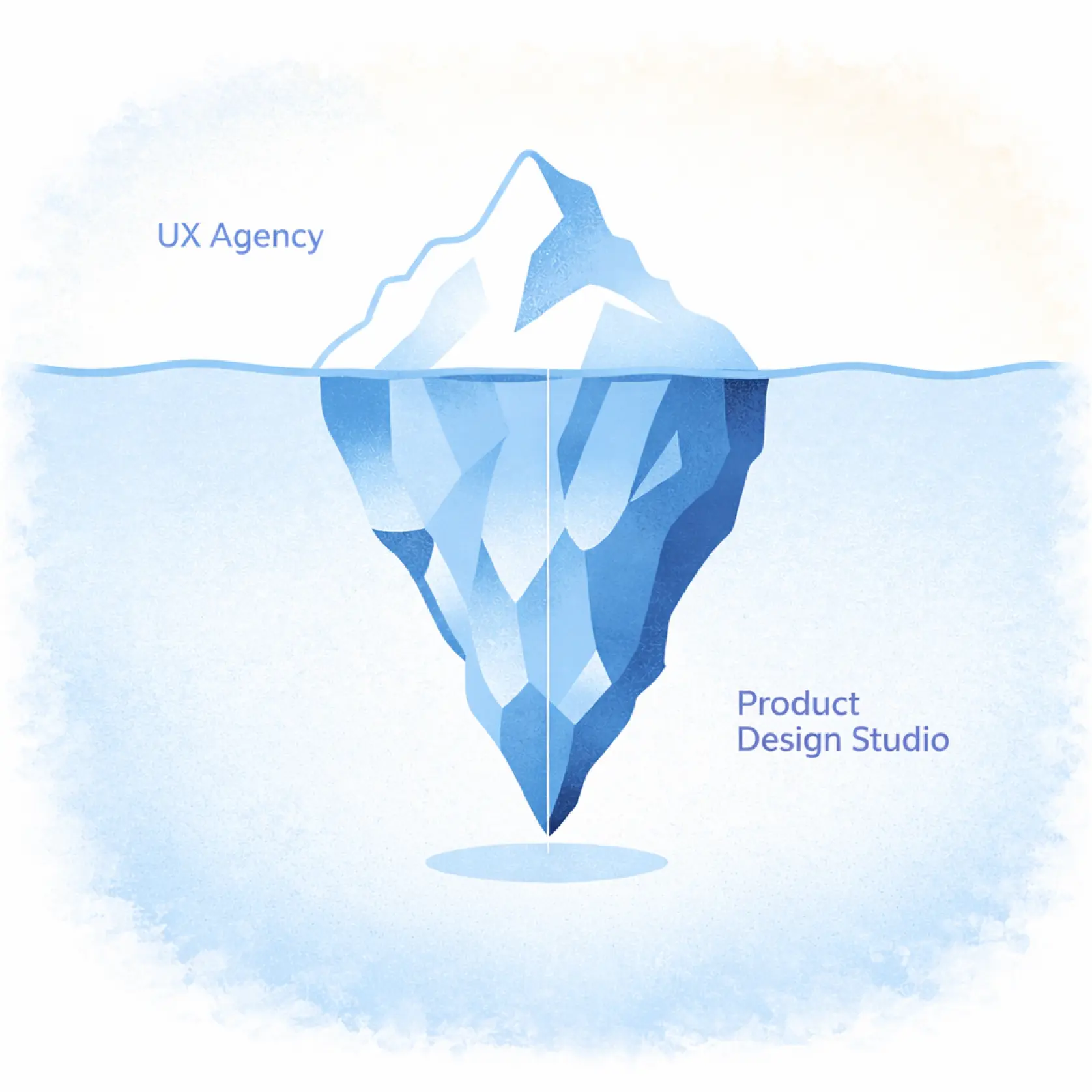
The term “UX agency” has been around for years. When you search for a UX agency on Google, you’ll find hundreds of results. Each claims expertise in user experience design. Each showcases projects and explains their process.
But what is the real difference?
More importantly, do you need a UX agency or a UX studio?
This question becomes critical for fintech, SaaS, e-commerce, and data-heavy dashboard products. Because today, it’s not just about designing screens. It’s about building scalable, sustainable products that grow through measurable metrics.
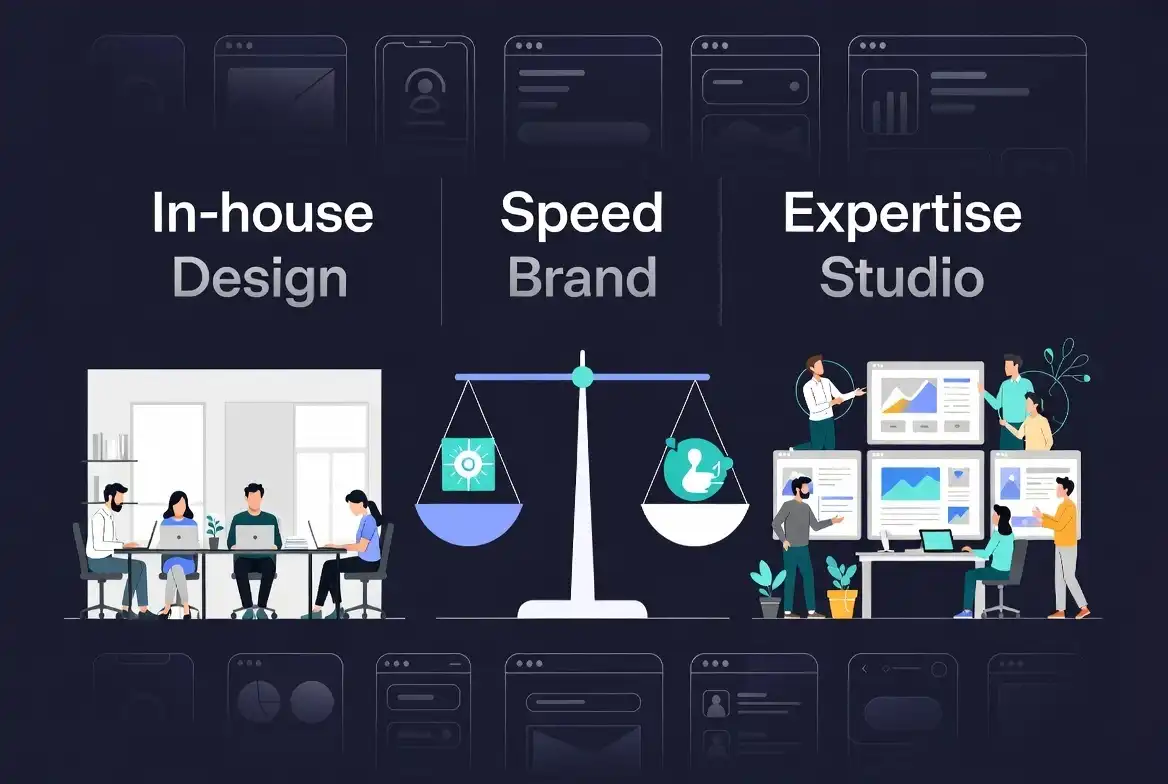
In this article, we explore the difference between a UX agency and a UX studio through business models, process approaches, performance metrics, and real case examples.
What Is a UX Agency?
A UX agency primarily provides user experience design services. It typically works on a project basis and delivers outputs within a defined scope.
These outputs often include:
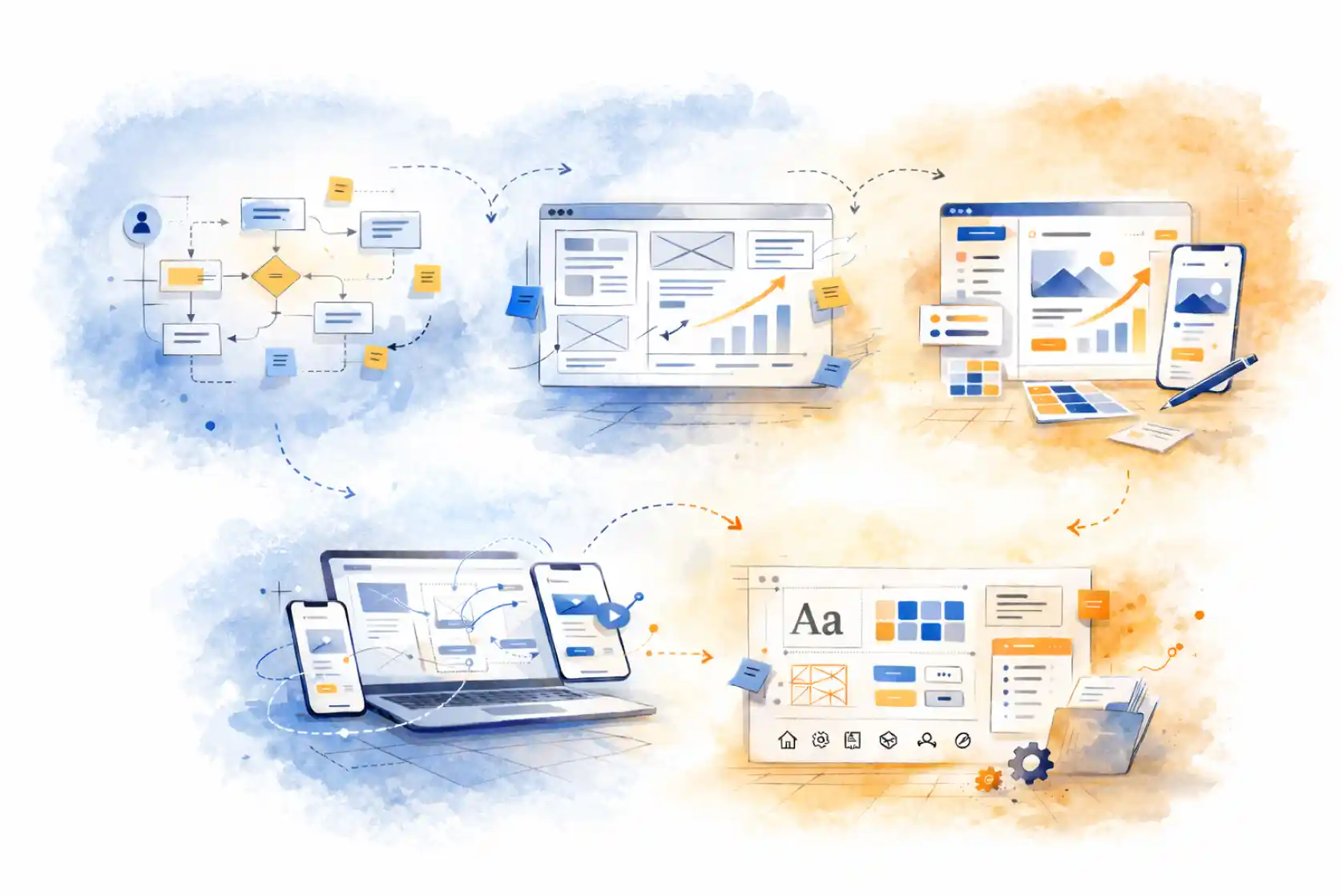
- User flows
- Wireframes
- UI designs
- Prototypes
- Design system documentation
The UX agency model usually follows a “brief – design – deliver” structure. This works well for clearly defined projects. For example, redesigning an interface or building a specific module.
However, a key point is this: a UX agency is often a service provider. The level of involvement in product strategy or business decisions varies from project to project.
If your product problem is not clearly defined, user behavior is not analyzed, or growth goals are not integrated into design decisions, producing screens alone may not be enough.
What Is a UX Studio?
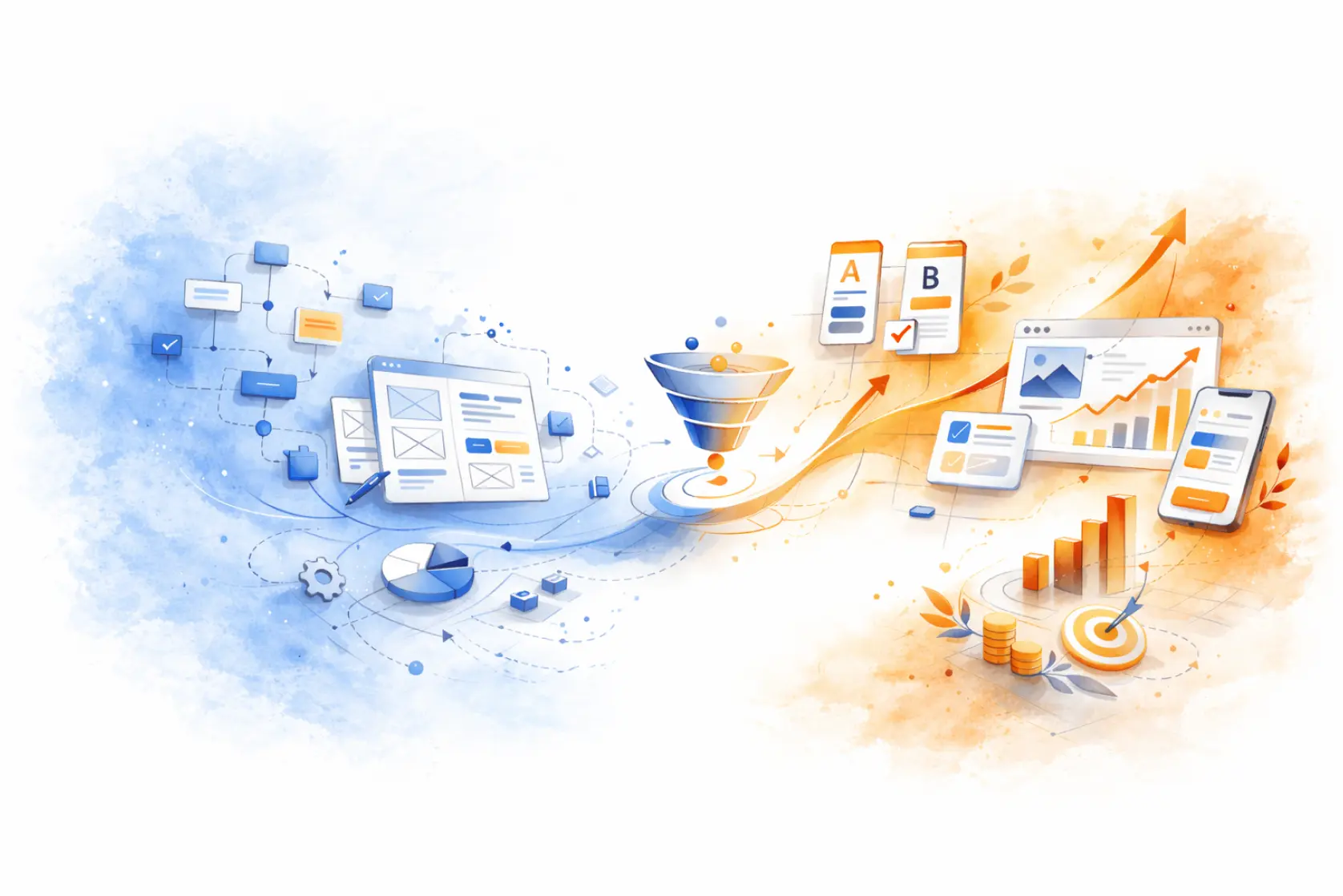
A UX studio approaches design not as a deliverable, but as a strategic discipline within product development. The focus is not the screen, it’s the product.
While a UX agency answers the question “How should we design this?”, a UX studio first asks: “Are we building the right product?”
This distinction becomes crucial in complex products. For example, in a loyalty-driven mobile experience, the goal is not just a visually appealing interface. It’s behavioral design, motivation triggers, and reward psychology.
In the Domino’s case, the approach was not simply designing a campaign screen. It was designing a repeat-purchase experience driven by user motivation and reward systems.
You can explore the full case here: DOMINO'S PIZZA Ye-Kazan: A Rewarding Loyalty Program
This reflects product partnership rather than pure design delivery.
Project-Based Execution vs Product Partnership
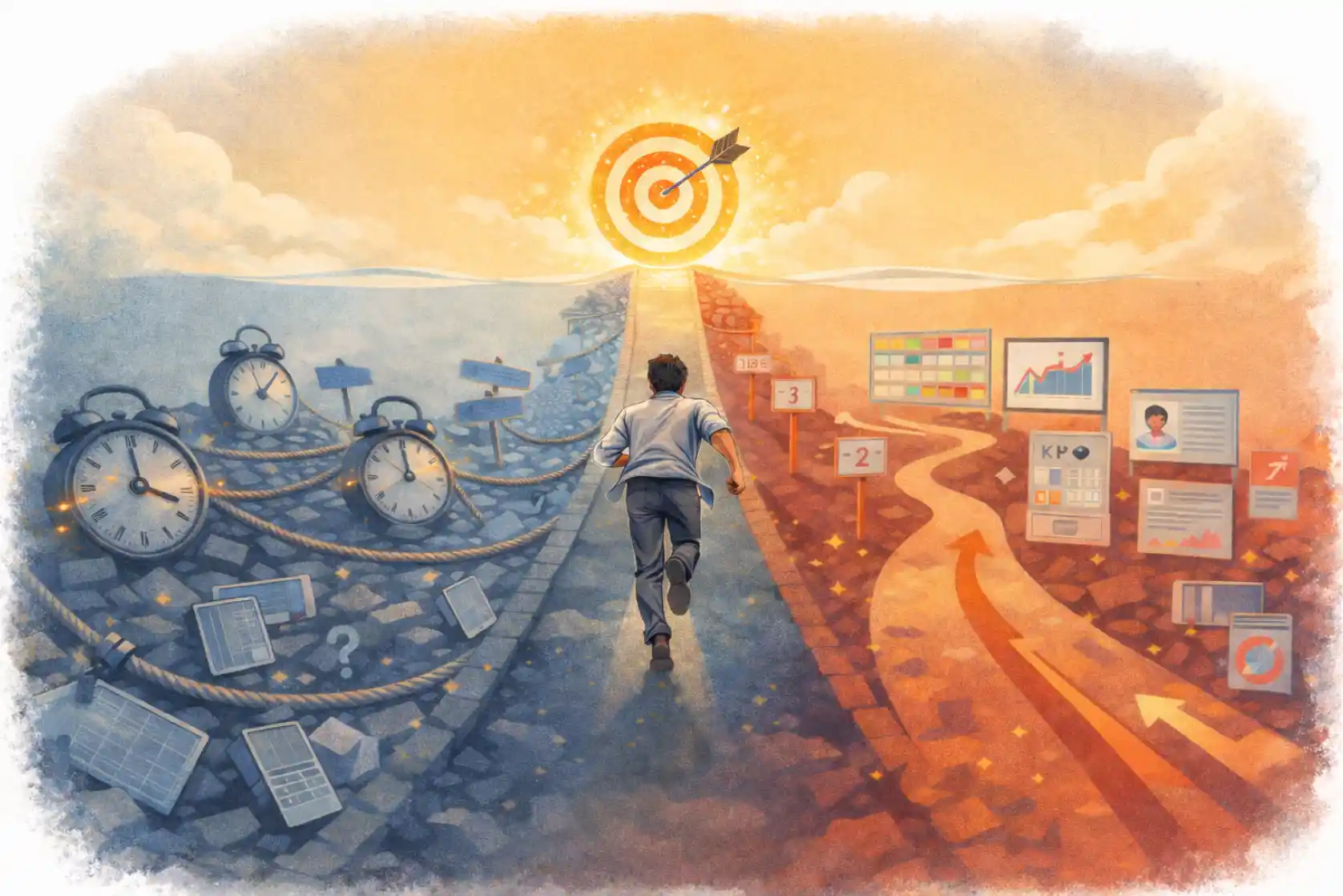
A UX agency typically operates within the project timeline. Scope is defined, work is delivered, and engagement ends.
A UX studio focuses on the product lifecycle. From MVP to scaling, from feature expansion to optimization, it remains strategically involved.
This difference becomes especially visible in data-intensive dashboards.
In a product like Datarul, the challenge is not placing charts on a screen. It’s understanding which metrics drive decisions, simplifying information architecture, and accelerating user actions.
In such cases, a UX agency designs interfaces. A UX studio designs decision experiences.
Explore the Datarul case study here: Datarul Data Governance Product Design

Metrics: Delivery vs Business Impact
For a UX agency, success often means delivering on time with high design
quality.
For a UX studio, success is measured by business impact:
Has
onboarding drop-off decreased?
Has conversion improved?
Has
retention increased?
Have support tickets declined?
In fintech products especially, trust design becomes critical. Users fear making costly mistakes. Reducing cognitive friction and increasing confidence is not a visual task it’s a behavioral strategy.
When Is a UX Agency the Right Choice?
If your product is clearly defined, you need interface modernization, or you require a limited module design, a UX agency can be efficient and fast.
When Is a UX Studio the Better Choice?
If your product is in the ideation phase, you are building an MVP, experiencing conversion issues, or operating in a regulated industry, a UX studio provides a more strategic and sustainable approach.

Conclusion: It’s Not the Name, It’s the Approach
The difference between a UX agency and a UX studio is not semantic. It’s structural.
A UX agency delivers design.
A UX studio builds products.
A UX agency completes projects.
A UX studio owns outcomes.
If your goal is not just beautiful screens but measurable growth and scalable user experiences, the working model you choose will define your product’s future.
In digital product development, the real difference begins with asking the right questions.


Explore All Blogs











Ready to talk
about your project?
Do you have a clear vision regarding the ideas, goals, requirements, and desired outcomes for your project? Let's take the first step together by setting up a meeting to bring all of these to life.